Life Is Too Short for Just Green Trees!
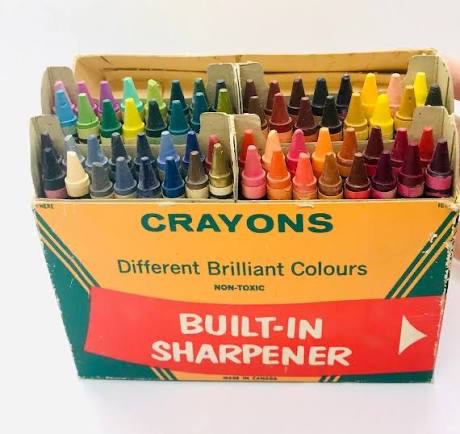
When I was a little girl, I loved to color. I had one of those wonderful big boxes of crayons filled with practically every color imaginable. You know the kind—the box that made you feel like you could create absolutely anything, as long as you had enough paper!
I also have a special memory of coloring with my dad. He taught me something about color that has stayed with me my entire life. He explained that the world was filled with an almost unlimited variety of colors, and that the best coloring pictures used ALL the colors. Why would you limit yourself to just a few when there were so many wonderful possibilities?
Apparently, I took his advice quite seriously.
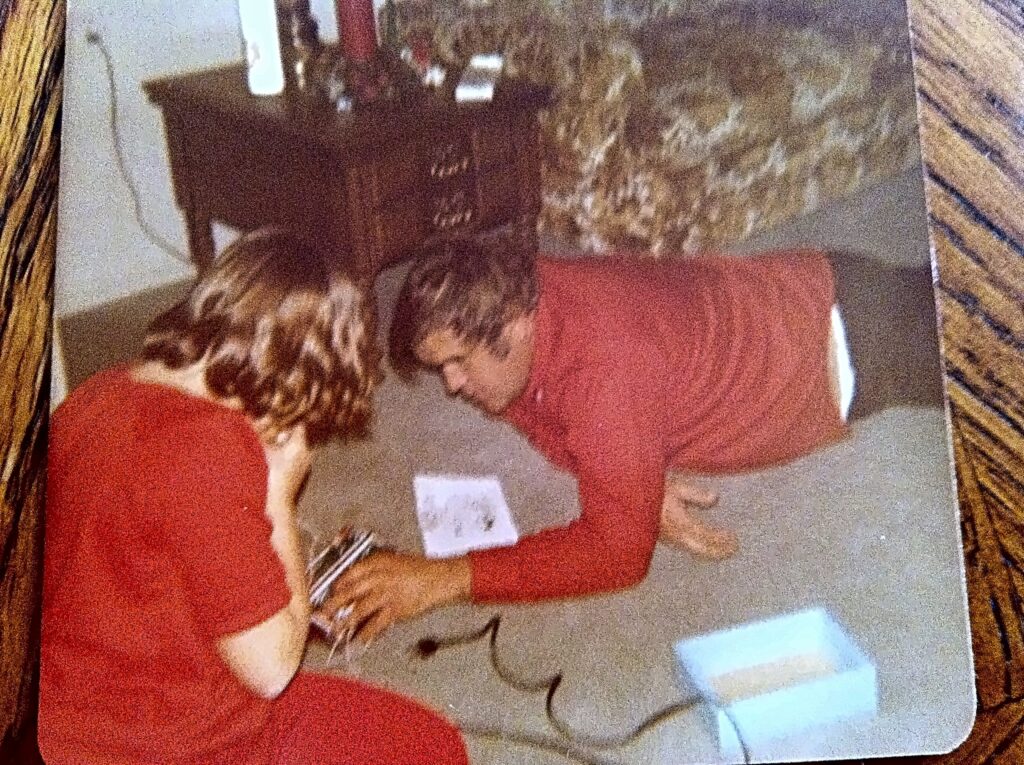
In third grade, I got into trouble for coloring trees in autumn colors instead of the expected green. I wasn’t particularly interested in making the standard green, bubble-topped trees. Trees could be orange, yellow, red, and brown! I’d seen them with my own eyes, so why was I supposed to color them green?
I don’t remember exactly how that disagreement was resolved, but I do remember the lesson my dad had taught me. The world was full of color, and I wanted to use it.
Looking back, I think that little box of crayons and those colorful trees were the beginning of something that would remain important to me throughout my life.
A Life Filled with Music… and Art
You might be surprised to learn that much of my childhood and teenage years revolved around music rather than art.
I started playing the oboe in middle school and continued through my second year of college. Now, I should probably clarify something. I played the notes. I was never especially musical! But I enjoyed being part of a band, and music became a significant part of my life.
Along the way, I also took several years of piano lessons, learned to play the recorder, and sang in our church’s children’s and youth choirs. Music was simply something I had always done.
In high school, I was fortunate to be part of an amazing band program at Dobyns Bennett High School in Kingsport, Tennessee. We had opportunities that most high school students could only dream about, including marching in the 1984 Macy’s Thanksgiving Day Parade in New York City. It was the first time our school had participated in the parade, and it was an unforgettable experience. (During marching season, I was a member of the color guard. After all, you don’t exactly march down the street playing an oboe!)
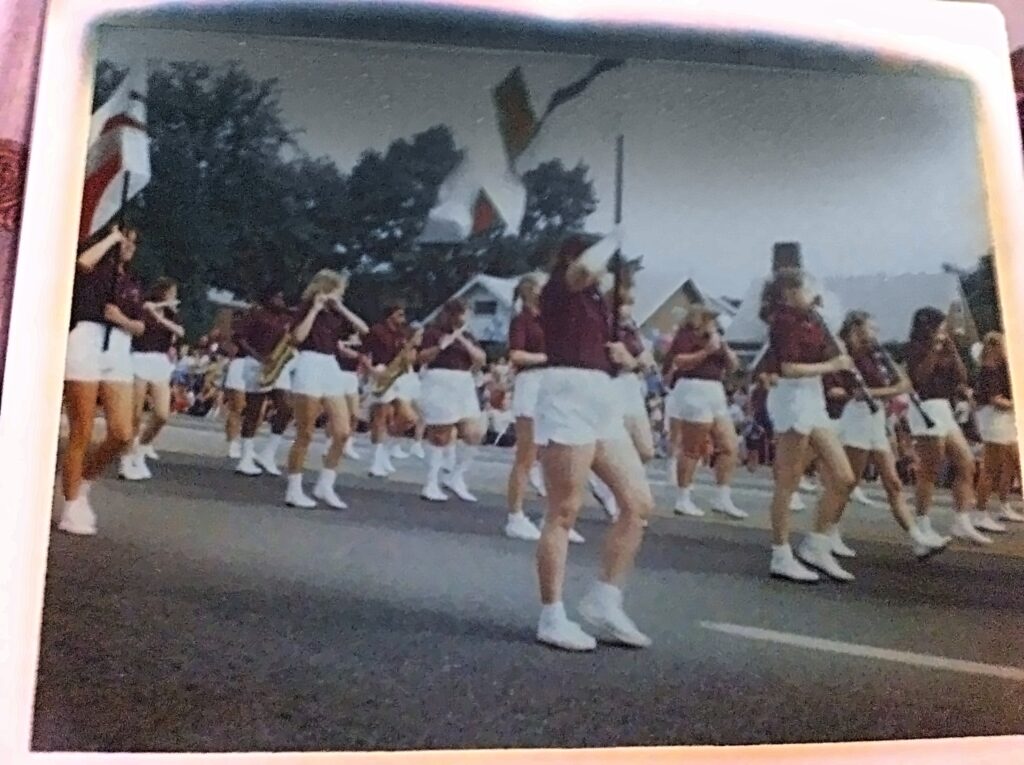
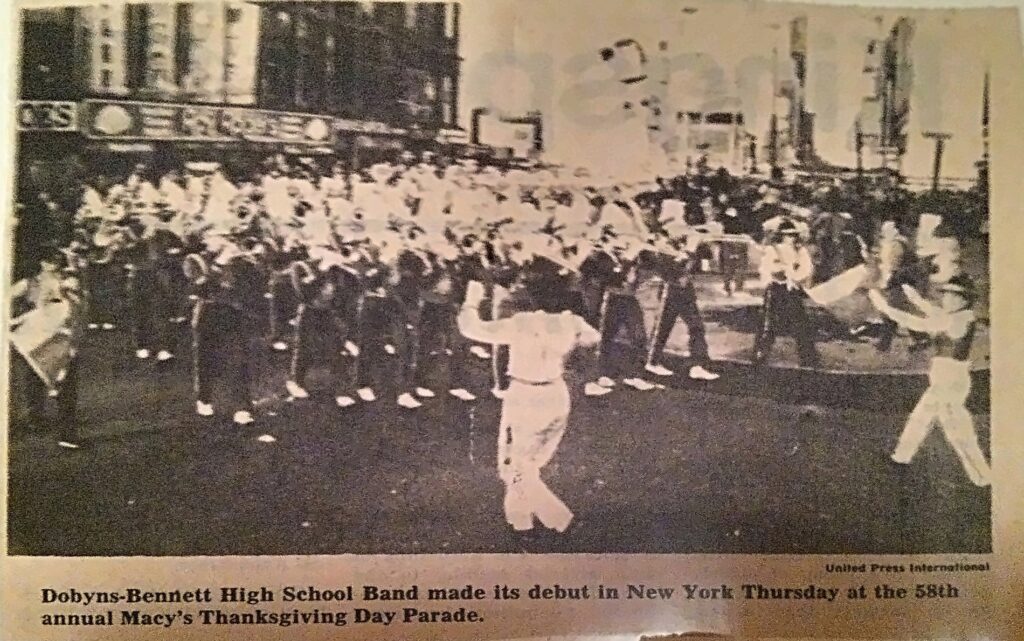
This September, Dobyns Bennett celebrated its band program’s 100th anniversary with approximately 800 people marching on the field, including 400 alumni. Although I wasn’t able to attend, it was wonderful to see so many generations of musicians come together to celebrate a program that had been such a big part of my own life.
Interestingly, Dobyns Bennett is returning to the Macy’s Thanksgiving Day Parade in 2026. This year marks both the parade’s 100th anniversary and the 100th anniversary of the Dobyns Bennett band program. It will also be the band’s sixth appearance in the parade. That’s a pretty special coincidence, and it has brought back some wonderful memories of my own experience more than forty years ago.
Because music occupied so much of my time, I didn’t have nearly as many opportunities to take art classes or spend time creating as I would have liked. I loved working with my hands, experimenting with materials, and making things, but band rehearsals, performances, and other musical commitments took up a substantial part of my schedule.
When I went to college, I initially continued with both interests. Band was familiar, enjoyable, and even helped provide some scholarship money. But eventually I had to make a choice about where I wanted to focus my time and energy.
Music was something I had enjoyed for years, but art was where my real passion lived.
What I didn’t realize at the time was that music wasn’t going to disappear from my creative life. Instead, it would become one of the central influences in my artwork.
When Music Became Color
As an art education major, I was required to complete a Sophomore Review, just as the other sophomores in our college’s art department were. Part of that process involved writing about our artwork, explaining the ideas behind it, and exploring what motivated us as artists.
This past June, while packing up our house, I came across the paper I’d written for that review. I hadn’t read it in decades, and it was fascinating to revisit the thoughts and ideas of my much younger self. (And then, naturally, I packed it away in a box that is now somewhere in storage!)
But reading it reminded me of something I’d almost forgotten: how central the relationship between music and color had been to my artwork during those years.
I was particularly interested in the work and ideas of Wassily Kandinsky, an abstract artist who explored the connections between color, music, and emotional expression. Kandinsky believed that colors and visual forms could evoke responses much like musical sounds. He explored the possibility that painting could communicate something beyond the literal objects we see, creating an experience through color, shape, and composition.
That idea fascinated me.
I had spent so many years surrounded by music, but I didn’t necessarily want to express myself by performing it. Painting and other visual art forms gave me a different way to explore those same ideas.
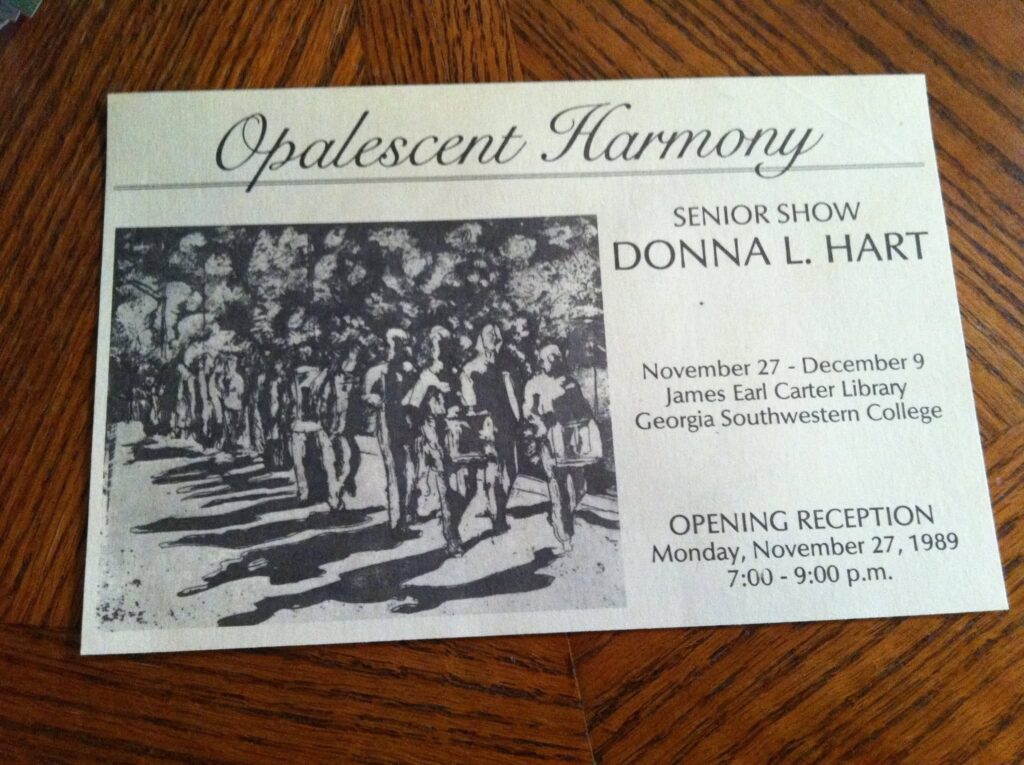
Much of my college artwork incorporated musical themes, but color was rarely just a supporting element. It often became the focus of the entire composition, moving through the work almost like a melody.
I loved the freedom of letting color lead the way. Instead of always starting with a recognizable object and choosing colors to represent it, I could begin with the colors themselves and explore how they interacted, overlapped, and created movement.
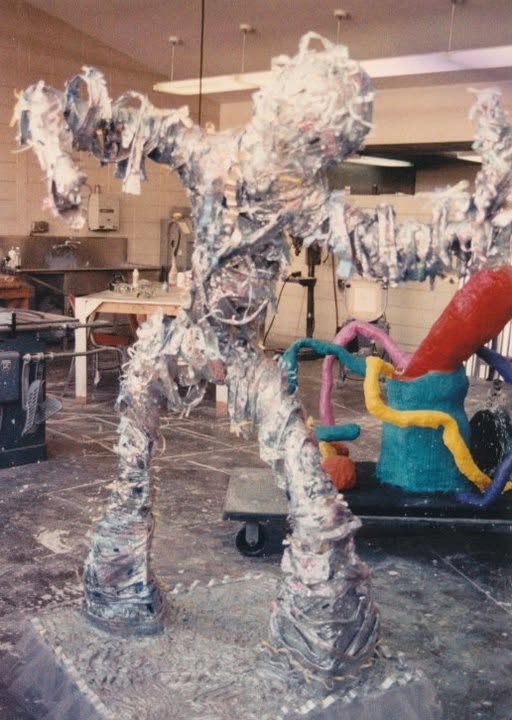
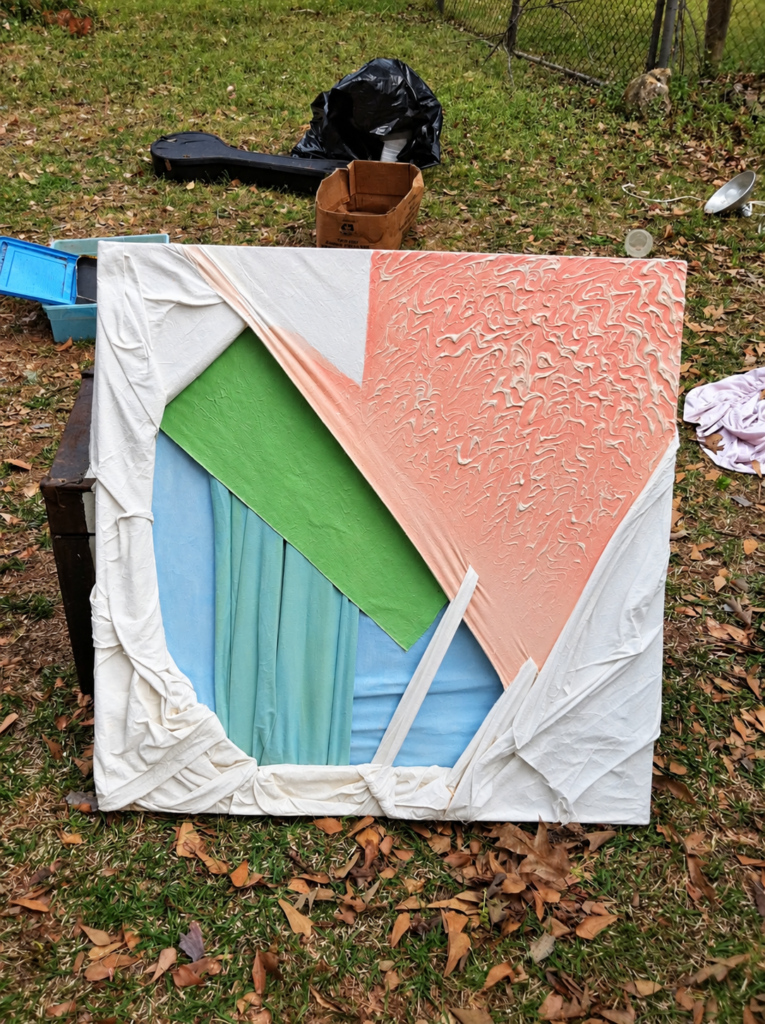
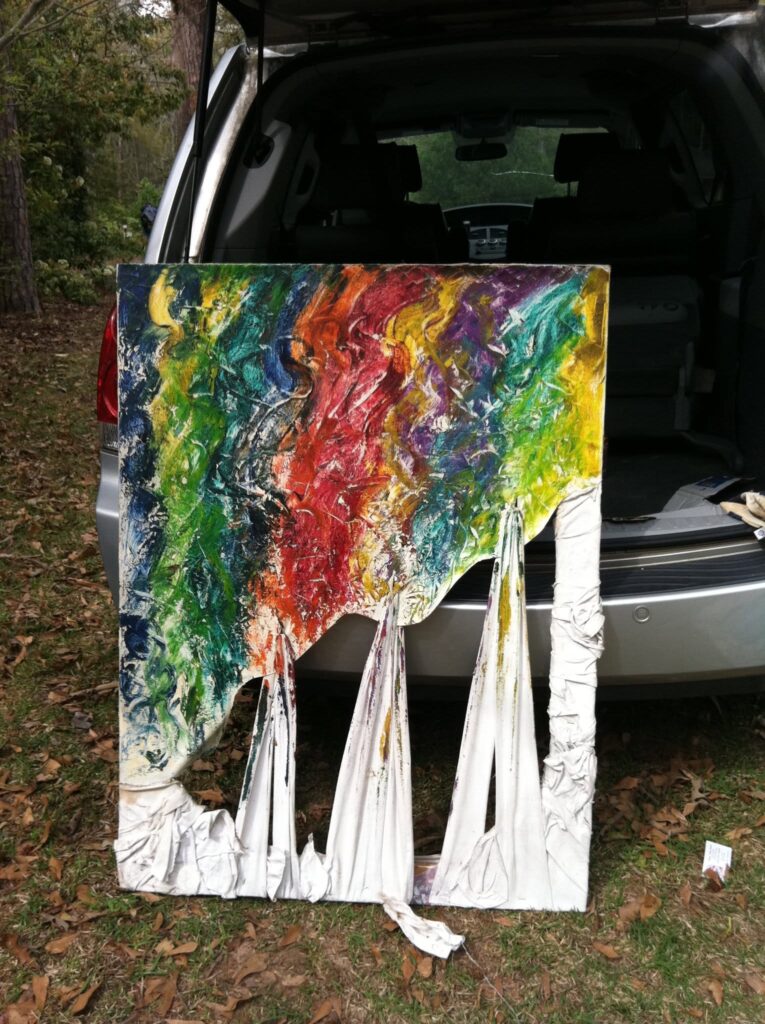
Reading that old paper reminded me how important those ideas were to me. And the funny thing is, although my creative interests have changed considerably since college, my fascination with color really hasn’t.
Learning to Speak the Language of Color
I’ve always had a reasonably good eye for matching colors. I enjoy finding subtle differences between shades and discovering combinations that work together. There’s something satisfying about finding exactly the right color, especially when you’ve been searching for a shade that exists perfectly in your imagination but doesn’t seem to exist in the paint bottle!
That doesn’t mean I always approached color mixing particularly efficiently.
During college, I spent time in the printmaking studio, where mixing inks was an important part of the process. I had a habit of mixing far more ink than I needed because I hadn’t quite mastered one of the simplest rules of color mixing: when adjusting a light color, add the darker color a little at a time.
Instead, I’d sometimes add too much dark pigment, decide the mixture was too dark, and then begin adding more of the lighter color to compensate. Of course, that could shift the mixture too far in the opposite direction, requiring another adjustment.
Before long, I had a lovely color… and enough ink to print considerably more artwork than I’d originally planned!
I got into trouble for that more than once.
Fortunately, I’ve learned a few things about mixing colors since then, although I’m still perfectly capable of getting carried away when I’m working on something creative.
Color has always been a combination of instinct, experimentation, and learning for me. Sometimes I can look at two colors and immediately know they’ll work beautifully together. Other times, I need to experiment, adjust, and try something completely different.
And sometimes the most interesting combinations are the ones I never would have planned in advance.
My Colors Have Changed, but My Love of Color Hasn’t
Like most people, my tastes have evolved over the years. The colors I loved in college aren’t necessarily the same combinations I’d choose today. I’ve become more interested in subtle differences, softer palettes, and the way color works with texture, light, and the materials surrounding it.
I suppose you could say my tastes have matured and mellowed a bit.
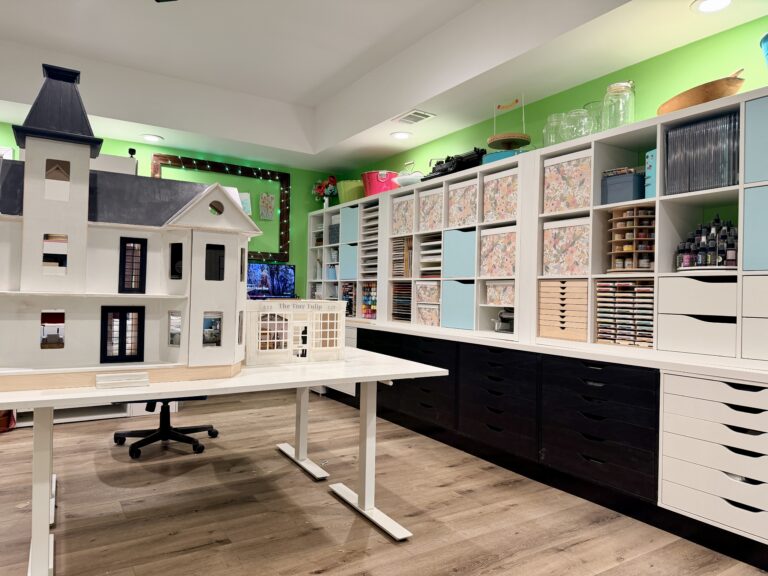
But I still have an apple-green art studio!
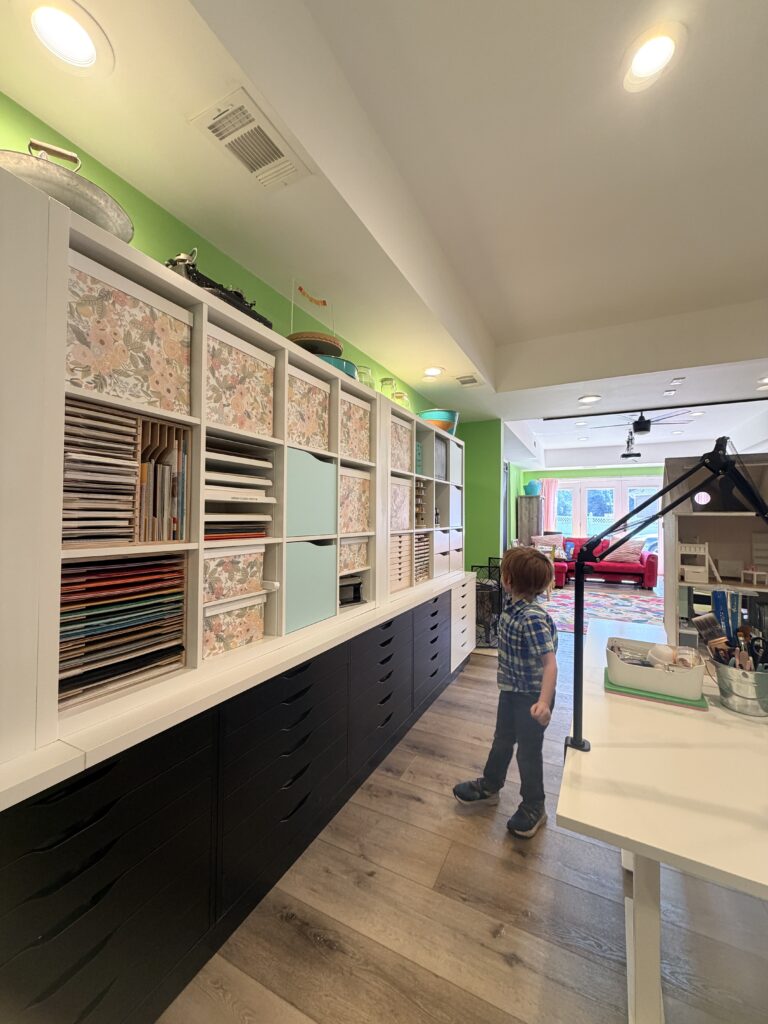
So perhaps I haven’t mellowed quite as much as I think.
I love being surrounded by color, especially in spaces where I create. Color can make a workspace feel energetic and inspiring, or warm and welcoming. The colors around us influence how we experience a room, and I think that’s especially important in spaces where we spend time making things.
My current creative interests are certainly different from the paintings and prints I made in college. These days, I might be designing digital graphics, creating miniature food, working with polymer clay, decorating a dollhouse, or developing something for GoAlongs.
Yet color remains part of nearly every decision.
When I’m making miniature food, I’m thinking about the subtle variations that make something look realistic. When I’m working on digital designs, I’m exploring palettes that create a particular feeling. When I’m arranging materials for a project, I’m often drawn to the colors before I even begin thinking about how I’ll use them.
The materials and techniques have changed, but color is still one of the things that makes creating so enjoyable.
Color Is More Than Decoration
One of the things I’ve always found fascinating is the way color affects how we feel about the spaces and objects around us.
Think about walking into a room painted in warm, cheerful colors compared with one filled with cool, muted tones. They can create very different impressions, even if the furniture and layout are exactly the same.
Color can make a space feel lively, peaceful, dramatic, cozy, or welcoming. It can draw our attention to something important, create contrast, or help different elements feel connected.
Researchers and designers have explored the relationships between color, emotion, and behavior for years. Color choices have been studied and considered in environments ranging from classrooms and hospitals to workplaces and other public spaces.
Of course, color isn’t quite as simple as saying one shade always makes people happy and another always makes them calm. Our experiences, preferences, cultural backgrounds, and even the lighting in a room can influence how we respond to a particular color.
But I think most of us have experienced how dramatically a change in color can alter the feeling of a space or a creative project.
And that’s one of the reasons I find color so exciting. It gives us another way to communicate, express ourselves, and create experiences for the people who encounter our work.
We don’t always need words to make someone feel something.
Sometimes color does the talking.
Life Is Too Short for Just Green Trees
It’s funny how something as simple as rediscovering an old college paper can make you reflect on your entire creative journey.
Reading about the ideas that motivated my artwork all those years ago reminded me that, despite the many changes in my life, some parts of my creativity have remained remarkably consistent.
I may no longer spend my days exploring music-inspired paintings or working in a college printmaking studio, but I still love the freedom of experimenting with color. I still enjoy finding unexpected combinations and using color to bring ideas to life.
And I still believe my dad was right.
The world is filled with an extraordinary variety of colors. Why would we want to limit ourselves to just a few?
That doesn’t mean every project needs to be bright or filled with every color in the crayon box. Sometimes a beautiful composition uses only a handful of carefully chosen shades. Sometimes subtlety is exactly what a project needs.
But I never want to lose the curiosity that makes me wonder what might happen if I try something unexpected.
If I want orange trees, I’ll make orange trees. If I want an apple-green art studio, I’ll have an apple-green art studio. And if I find a color combination that makes me happy, I’m not going to worry too much about whether it’s what someone else would have chosen.
After all, creating is about discovering possibilities and finding our own ways to express them.
And life is simply too short for just green trees!
What Colors Inspire You?
Do you have colors you’ve loved since childhood, or has your taste changed completely over the years? Maybe you’re drawn to bright, energetic combinations, or perhaps you prefer soft, peaceful shades.
I’d love to hear about the colors that inspire your creativity. And I’d especially love to know if you were ever the child who colored the trees something other than green!
Happy creating!
Donna